How to choose the right compact excavator: 9 things to consider
As one of the most versatile machines on any jobsite, a compact excavator can take on a wide variety of tasks. But choosing the right machine involved more than simply comparing price or size. From attachments and site conditions to operator comfort, transportation and maintenance, there are several factors worth considering. These nine tips will help you find the right machine for your business.

1. Understand the work you need to do
Start with the job, rather than the machine. Before comparing models, it’s helpful to consider the application that the compact excavator is required for. Consider:
- What type of work will the excavator be used for?
- How many hours a day will it be used?
- How deep do you need to dig?
- Will you be lifting materials as well as digging?
- What kind of attachments might you need?
- Will the machine be used for a variety of tasks or primarily for one application?
The answers will quickly narrow down the right size, configuration and features. Choosing a machine based on its intended tasks can help avoid paying for unnecessary capability or ending up with a machine that’s too small.
2. Match machine size to the job
One of the most important decisions when selecting a compact excavator is choosing a machine with the right balance of size and performance for your application.
A machine that is too small may struggle to lift materials, power attachments or deliver the digging depth and reach required for the job. On the other hand, a machine that is too large can be harder to maneuver in confined spaces, increase transport costs, and add unnecessary operating expenses.
Start by considering the type of work you’ll be doing most often. Whether you’re excavating foundations, installing drainage, laying utilities or carrying out landscaping work, the machine should comfortably meet your typical digging, lifting and loading requirements without being pushed to its limits.
Smaller compact excavators are ideal for jobs with restricted access, such as residential landscaping, indoor demolition and utility work in tight spaces. Their compact dimensions make them easier to transport and allow them to pass through narrow gates and access points.
Larger compact excavators offer greater digging depth, reach, lifting capacity and stability, making them better suited to more demanding applications. If you’ll regularly be lifting pipes, moving materials around site or loading trucks and skips, those performance capabilities should be carefully considered alongside operating weight.
While it’s best not to go too big or too small, choosing a machine with a little extra reach or lifting capacity can provide valuable flexibility as your business grows.
The best excavator isn’t necessarily the biggest one. It’s the machine that offers the right combination of performance, access and transportability for the work you do every day.
3. Consider site access, space and ground conditions
Before choosing a compact excavator, think about the environment where it will be working. Are there any access restrictions such as narrow gates, confined back gardens, busy urban sites, indoor workspaces, nearby buildings or overhead obstacles that could influence the size and configuration of the machine you need?
It’s also important to consider how the machine will be transported to site and moved around once it arrives. Remember that you’ll need space not only for the excavator itself, but also to rotate the upper structure and operate any attachments safely and efficiently.
Ground conditions are another key factor. Soft, uneven or muddy terrain may require a machine with a wider footprint to improve stability and reduce ground pressure, while work on finished surfaces such as driveways, paving or landscaped areas, may call for a lighter machine to minimize potential damage.
The excavator’s tail swing should also be considered. Conventional tail swing models can offer excellent stability and lifting performance but require more room when rotating. In confined spaces, reduced or zero tail-swing machines can help operators work safely and productively close to walls, fences, roads and other obstacles.
The best excavator for the job is the one that can reach the site, move around it efficiently and operate safely within the available space.
4. Think about attachments
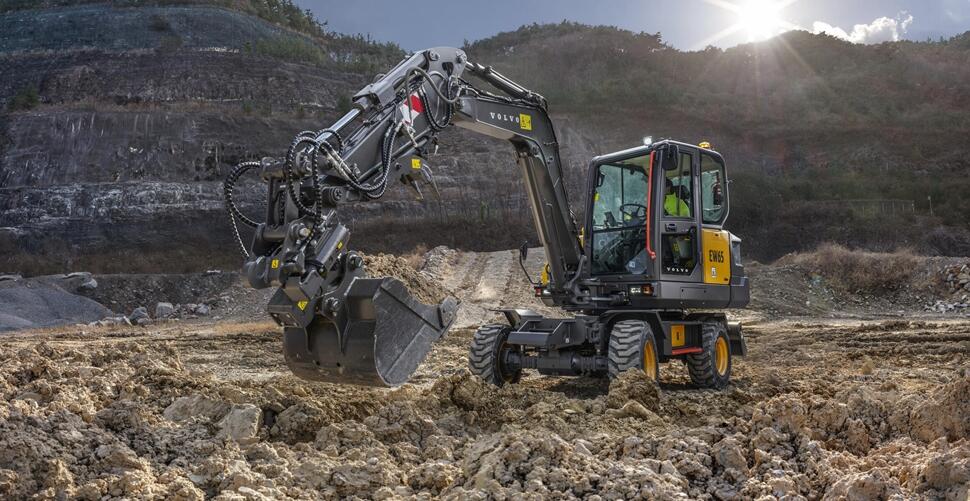
Attachments can transform a compact excavator from a digging machine into a true multi-purpose tool. Whether you’re trenching, grading, breaking concrete, handling materials or preparing sites, the right attachments can expand the range of jobs a machine can perform.
Think about the attachments you use today and may need in future, such as a thumb, grapple or hydraulic breaker. Not every excavator can operate every attachment, so it’s important to check that the machine provides the hydraulic flow and auxiliary circuits required to operate them efficiently. Your dealer can also help confirm attachment compatibility before you make a decision.
If you plan to change attachments often, a quick coupler can make the process faster and easier. Check that the coupler and any fitted attachments are suitable for the machine.
When selecting a machine, it’s important to think not only about the attachments you need today, but also those you may use in future. Ensure the compact excavator provides the hydraulic flow and auxiliary circuits required to operate them efficiently.
And if attachments are likely to be changed frequently, a quick coupler can deliver significant productivity benefits by reducing changeover times and helping operators move seamlessly between tasks.
Want to learn more? Explore seven attachments that can transform your compact excavator.
5. Diesel or electric?
Contractors today have more choice than ever, with both diesel and electric compact excavators available across a growing range of sizes and applications.
The right choice will depend on factors such as the type of work, operating environment and access to charging infrastructure. It’s also worth considering any local regulations or customer requirements relating to emissions or noise levels. For some applications, electric machines can offer significant advantages, while for others diesel remains the most practical solution. Understanding the benefits of each can help ensure you choose the right machine for your business and the jobs you take on most often.
Read our guide to comparing diesel and electric machines.
6. Don’t overlook transportation
Alongside site requirements and performance, transportation should also form part of your decision, especially if the compact excavator is likely to be transported regularly from site to site.
The size and weight of the excavator can affect how easily the machine can be moved between jobs, towing requirements and trailer selection. Don’t forget to factor in the weight of any buckets, attachments and accessories that will be transported alongside the machine.
Choosing a machine that’s easy to transport can help reduce costs, improve flexibility and ensure you can maximize business opportunities. Before making a decision, consider how you’ll be transporting the excavator and whether your existing vehicle and trailer setup is suitable.
Find out what you need to know about transporting a compact excavator safely and legally.
7. Don’t underestimate operator comfort
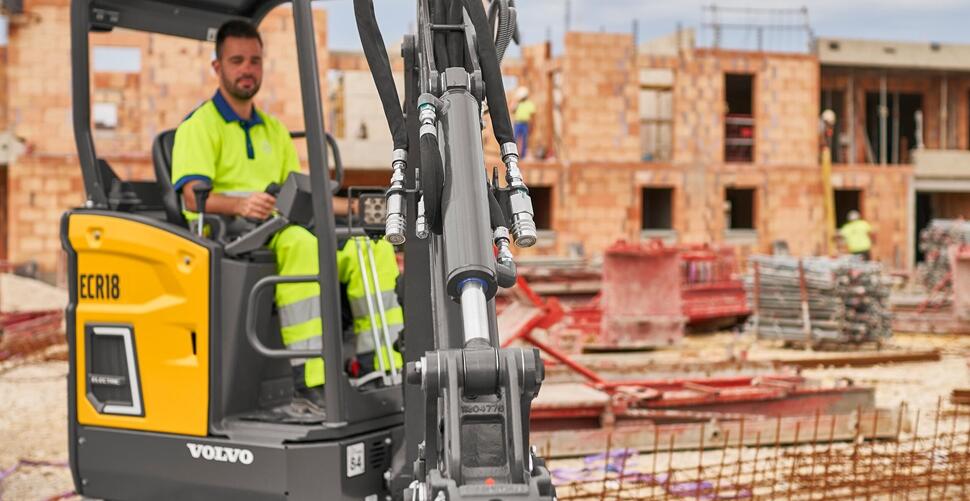
Operator comfort matters, particularly when the machine will be used for several hours each day. When comparing compact excavators, look at cab space, visibility, seat and control adjustments, noise levels and vibration. Features that make the machine easier and more comfortable to operate can make a real difference over a long working day.
Choosing between a cab and a canopy is about more than price. A canopy machine typically costs less and provides excellent visibility, but an enclosed cab offers greater protection when working in cold, wet or challenging conditions. If you choose a cab, it’s worth checking the heating, ventilation and air-conditioning options to ensure operator comfort in warmer weather too. Think about the conditions you work in throughout the year, not just on the day you buy the machine.
8. Consider total cost of ownership and support
When choosing a compact excavator, it’s important to consider the total cost of ownership rather than focusing solely on the upfront purchase or rental price. A machine that costs less upfront might end up costing you more in the long run if maintenance requirements are higher or downtime becomes an issue.
Check how easy it is to reach service points and carry out routine maintenance. A machine that is simple to look after can help you keep up with regular checks and avoid unnecessary downtime. It’s also worth asking about spare parts availability, service arrangements and the level of support available from your local dealer. When a machine is out of action, being able to get advice, parts and assistance quickly can make a difference to productivity.
Also compare the warranty coverage and likely resale value, as both can affect ownership costs over time.
9. Rent or buy
Deciding whether to rent or buy a compact excavator depends on many factors.
Purchasing a machine can provide long-term value for contractors who use equipment regularly and want complete control over availability. Renting, meanwhile, offers flexibility, access to the latest equipment and the ability to match machine size and specifications to different projects without the commitment of ownership.
The right choice will depend on factors such as utilization rates, project workload, available capital and maintenance responsibilities. Taking the time to assess these considerations will help ensure you make the best decision for your business.
Explore the key factors to consider when deciding whether to rent or buy equipment.
Common mistakes to avoid
Even experienced buyers can make the wrong choice if they focus on one factor and overlook others. Some of the most common mistakes include:
- Choosing a machine based primarily on purchase price rather than the work it needs to do.
- Assuming every compact excavator can support the attachments you plan to use.
- Selecting a cab or canopy without considering year-round working conditions and operator comfort.
- Overlooking transport requirements, servicing and support from a local dealer.
First-time buyer checklist
- Think about the application before choosing a machine
- Consider the attachments you plan to use
- Think about operator comfort and ease of use
- Check transport and towing requirements
- Consider maintenance and servicing requirements
- Choose a machine backed by strong dealer support
Choosing the right compact excavator is about much more than operating weight or purchase price. By considering the type of work you’ll undertake, site access, machine performance, attachment requirements, operator comfort, transportability and aftermarket support, you can select a machine that delivers the performance, versatility and reliability your business needs, both today and in the future.
Whether you're buying your first compact excavator, replacing an existing machine or expanding your fleet, taking the time to match the machine to the job can help improve productivity, reduce costs and maximize your return on investment.

Need help finding the right mini excavator?
Volvo CE’s compact excavator range includes both electric and diesel models designed for everything from landscaping and utility work to construction and demolition projects.

Looking for more tips and advice?
Explore our guides and expert advice to help you choose, operate and get more from your construction equipment.


