Choosing between diesel and electric compact machines: what to consider
The reality is that the right choice depends on the applications, operating environment, and long-term business goals.

Is electric powerful enough?
It’s a common misconception that compact electric machines are less powerful than their diesel counterparts. Electric motors deliver instant torque from zero rpm. For operators, this means smooth and responsive machine performance as soon as you move the controls. Tasks such as loading trucks, fine grading, landscaping, utility trenching and material handling can even feel more precise and controlled with an electric machine because power delivery is immediate and predictable. Operators are often surprised by how capable electric compact excavators and wheel loaders feel during normal daily operations.
However, diesel machines may still have the edge in demanding applications that require continuous operation or where rapid refuelling is essential.
How long can electric compact machines run?
Runtime is one of the most common questions when considering compact electric equipment. The answer depends on several factors, including battery capacity, application, work cycle and overall machine utilization.
Many compact equipment applications are a natural fit for electric machines. Landscaping, urban construction, utility work and light infrastructure projects often involve predictable operating patterns and opportunities for charging throughout the day.
It’s also worth remembering that an eight-hour shift does not necessarily mean eight hours of continuous machine operation. Operators are not always using maximum machine power, and periods of waiting or inactivity are common. If a machine is idle for 30% of an eight-hour shift, for example, actual operating time is closer to 5.6 hours.
Unlike a diesel engine, an electric machine does not idle in the same way when it is not working. Instead, power is only used when the machine is performing a task, helping to maximize battery efficiency throughout the shift. The key question is often not “will the battery last eight hours?” but rather “how many hours does the machine actually need to work?”
As battery technology has advanced, many electric compact machines can comfortably support a full working day in suitable applications.
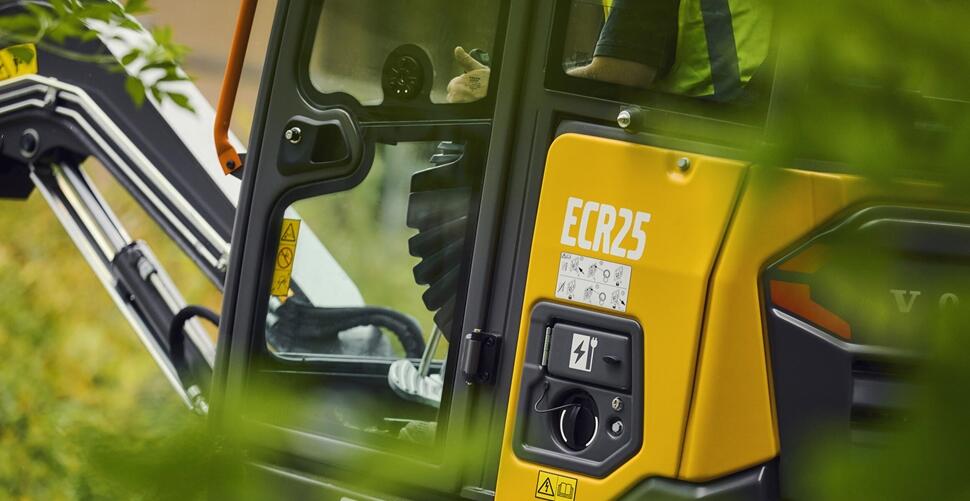
However, diesel may still be the better choice for intensive, high-load applications, continuous operation, multiple shifts or sites with limited access to charging. But for many typical compact applications, today’s electric machines can already provide the runtime needed for a full working day.
How do running costs compare?
Total cost of ownership provides a more accurate comparison than purchase price alone. While diesel-powered compact equipment generally costs less to purchase upfront, fuel, engine servicing, oil changes and filter replacements all add to ongoing costs. Electric machines typically have a higher purchase price, but fewer moving parts and lower maintenance requirements can help reduce operating costs and downtime over time.
Electricity costs can also be significantly lower than diesel fuel costs, particularly when charging is carried out overnight or during off-peak tariff periods. While energy prices vary by market, diesel costs remain directly exposed to global oil market fluctuations and geopolitical uncertainty. In regions with a strong share of locally generated electricity, electrification can also help reduce reliance on imported fossil fuels.
For contractors who want to experience electric equipment before investing, rental can provide a practical, lower-commitment way to understand how the technology performs in their own applications.
How do emissions compare?
While modern compact diesel engines comply with emission regulations, they still produce harmful tailpipe emissions. Electric compact machines do not. This means operators are not exposed to harmful exhaust gases such as particulate matter (PM) and nitrogen oxides (NOx) while the machine is working.
The absence of tailpipe emissions makes electric machines particularly well suited to indoor work, enclosed spaces, environmentally sensitive areas, and locations close to people, such as parks, schools and hospitals. As well as improving air quality on site, this also supports local emission reduction goals. This helps contractors when bidding for projects where sustainability targets, low-emission requirements or environmental considerations form part of the specification.
What are the noise benefits?
One of the most noticeable differences between diesel and electric compact machines is noise. Electric machines are significantly quieter, with lower vibration levels, creating a more comfortable working environment for operators and site staff, while reducing disruption to surrounding communities. This makes them particularly attractive for projects near residential areas, city centers, schools, hospitals and in other noise-sensitive locations. Lower noise levels can also improve communication on site and help reduce operator fatigue during long shifts.
Charging versus refuelling: what’s the difference?
Refuelling remains one of diesel’s greatest advantages. A machine can typically be refuelled in a matter of minutes, whereas charging an electric machine requires more planning.
However, charging is often less complicated than many people assume. Charging times vary depending on battery size, charger type and available power supply, with both AC and faster DC charging options available on many electric machines. However, electric compact machines can be charged using existing electrical connections, dedicated charging equipment, mobile charging units and battery energy storage systems. As charging infrastructure continues to develop, integrating electric equipment into day-to-day operations is becoming easier for many contractors.
Many compact electric machines can be charged overnight and topped up during breaks or between tasks, making them well-suited to a standard working day. Like fuel management for diesel equipment, energy management simply becomes another aspect of site planning.
Diesel or electric: which could be right for your operation?
The questions below can help you identify which solution may be the better fit for your applications, operating environment and business priorities.
| Question | Electric may be a good fit if… | Diesel may be a good fit if… |
|---|---|---|
| How intensively will you use the machine? | You have typical compact applications, intermittent work or predictable daily shifts. | You need intensive, high-load operation, continuous use or multiple-shift working. |
| Can you charge it easily? | You can charge overnight, during breaks or at a regular operating base. | Charing access is limited and rapid refueling is essential. |
| Where will you work? | You work in landscaping, agriculture, utility work, urban construction, indoor work or other noise- and emission-sensitive environments. | You mainly work in remote locations, highly demanding applications or sites with limited charging access. |
| What matters most financially? | You are focused on total cost of ownership, including energy, maintenance and long-term operating costs. Rental can also provide a way to try electric before buying. | Your priority is the lowest upfront purchase price. |
| What do your projects require? | You need lower noise levels, zero tailpipe emissions or compliance with sustainability and environmental requirements. | Noise and emissions requirements have little impact on the projects you typically undertake. |
| How do you prefer to operate? | You are comfortable incorporating charging into your daily workflow and planning energy use alongside machine utilization. | You prefer rapid refuelling and existing fuel infrastructure with minimal changes to current operations. |
Still unsure? Ask yourself three questions:
- How many hours does my machine actually spend working during a normal shift?
- Will it operate in areas where noise, tailpipe emissions or site restrictions matter?
- Can I charge it easily between shifts, during breaks or overnight?
Which machine is right for your operation?
There is no one-size-fits-all answer. The right choice comes down to selecting the best compact machine for the application, operating environment and business requirements. Today, electric machines are delivering comparable productivity across a growing range of applications, while diesel machines continue to offer advantages in remote locations, and where long operating hours and rapid refuelling are critical.
For many fleets, the answer may not be diesel or electric, but a combination of both, using each technology where it delivers the greatest operational and business benefit.
By considering actual machine utilization, charging access, working environment, noise and emissions requirements, and total cost of ownership, contractors can choose the solution that delivers the best combination of productivity, efficiency and sustainability.
Whether you’re considering electric, diesel or a combination of both, choosing the right machine starts with understanding your application and operational requirements.

Find the right compact machine for your operation
Compare Volvo compact excavators, including diesel and electric models, to find the right fit for your application.

Want to explore the electric options?
Take a closer look at Volvo CE’s growing electric machine portfolio, including compact excavators and wheel loaders, and see which solutions could fit your operation.

Interested in going electric?
Tell us about your operation and requirements, and our team can help you explore which electric solution could be right for you.


