How Remanufactured Parts Lower Your TCO

In fact, according to the Construction Industry Institute (and noted by ForConstructionPros), reactive maintenance — like running a machine until it fails — can cost three to five times more than proactive, preventative maintenance. That’s a massive hit to your profitability and your cost per ton. To avoid those lengthy shop times and catastrophic mid-season failures, I always recommend introducing a factory-remanufactured parts program like Volvo Reman as a smart, drop-in alternative. While a full Volvo Certified Rebuild is an excellent way to restore a machine’s total health during a planned off-season, reman is your best defense against unexpected downtime when you’re in the middle of a production push.
Key Takeaways
- Swapping in a remanufactured part drastically reduces unexpected downtime compared to a traditional and lengthy machine rebuild.
- Factory-remanufactured parts deliver the same performance and safety as new ones, so you can count on your high-hour machines to keep showing up.
- Integrating remanufactured components into your fleet strategy significantly lowers your total cost of ownership (TCO) while keeping heavy metal out of landfills.
A proactive lifecycle plan stops unexpected breakdowns before they happen.
I know most of you quarry and mining fleet managers are highly analytical, and you track long-term TCO closely. Your jobsites are harsh environments, and when heavy equipment runs 24/7, major components will likely need attention right around that critical 8,000- to 10,000-hour mark.
If you’re forced into a repair by a sudden failure, the downtime can be a big hit to your schedule. And pulling a component, diagnosing it, rebuilding it and reinstalling it can leave a machine sitting idle for weeks.
A remanufactured component, on the other hand, is a fast, drop-in solution that keeps your crews working. A planned rebuild is a fantastic long-term strategy for the off-season, but when you’re in the middle of a production push, reman is your shortcut. It’s the exact kind of proactive step that keeps your repair bills from multiplying three to five times over when a tired component finally gives out.
Reman parts give new life to high-hour mining equipment.
Your core goal is maximizing the value of your long-term equipment investments. When you reach that high-hour threshold, it helps to understand the difference between a simple repair and a true remanufactured part. A repair just fixes the broken piece. Remanufactured components, like those via Volvo Reman, are completely rebuilt to factory specifications, ensuring the machine maintains the exact same productivity and safety standards as it did on day one. Much like our comprehensive machine rebuilds, reman components ensure you aren’t just patching a problem, but renewing the asset.
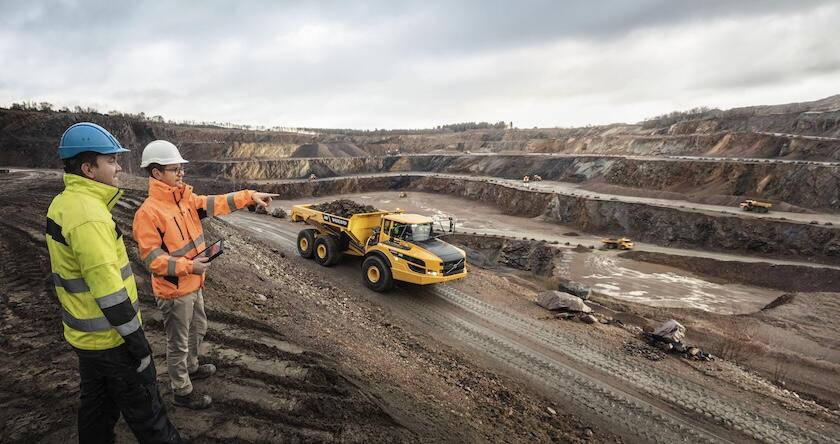
This kind of predictability makes your job a whole lot easier. You don’t have to guess how a machine will perform, which allows you to fully trust your high-hour equipment. Plus, having access to a reliable, coast-to-coast dealer network ensures you get what you need fast, so downtime is minimal — or even completely avoided if caught before a machine goes down.
You should expect your OEM to back a reman part as strongly as a new one. Here at Volvo we do that with a 3-year / 5,000-hour reman major component warranty that covers both parts and labor — a big advantage compared to aftermarket rebuilders.
That’s how the program works on paper, but I’ve seen it play out in the dirt plenty of times. I recently saw this strategy pay off for a quarry in the Southeast that was facing a mid-season bottleneck.
At a large aggregate quarry, a hauler fleet was hitting peak demand when one unit began showing transmission issues as it approached a high-hour service interval. Taking the machine out for a full teardown and rebuild would have meant weeks of disrupted hauling.
Instead, the local Volvo dealer helped the site team plan a quick swap with a Volvo Reman transmission. By staging the component in advance, the changeout happened during a scheduled maintenance window. The swap took a matter of days, not weeks, and the dealer handled the core return and technical support throughout.
This customer avoided a prolonged outage, kept production on track and proved that planning component replacements ahead of failure is good TCO strategy. It’s also a win for the environment.
Sustainability is a lot easier to prioritize when it saves your operation money.
I realize that mining and quarry operations face heavy regulations and increasing pressure to reduce environmental impacts. Let’s frame sustainability exactly how it needs to be viewed — as a distinct business advantage.
Remanufacturing keeps heavy metal out of the scrap yard and uses significantly less energy than manufacturing brand new parts. But bringing it directly back to your wallet, remanufactured parts cost less than new ones while carrying that same heavy-duty warranty and support I mentioned earlier, which significantly lowers your TCO.
Find a partner who treats your daily tonnage targets like their own.
I’ve sat across the table from enough site supervisors to know that you need a reliable partner who understands your operation and is committed to your success, not just a brand that sells you equipment. You can buy equipment from anyone. You expect to be a priority, and you demand consistent support.
Ultimately, programs like Volvo Reman are about securing your uptime, not just swapping a part. A true partner works to simplify your operation, reduce your risk and give you the confidence to focus strictly on hitting your daily production goals. Integrating remanufactured parts into your lifecycle strategy is simply another way you can avoid the reactive mining equipment maintenance trap to keep your operation highly profitable.


